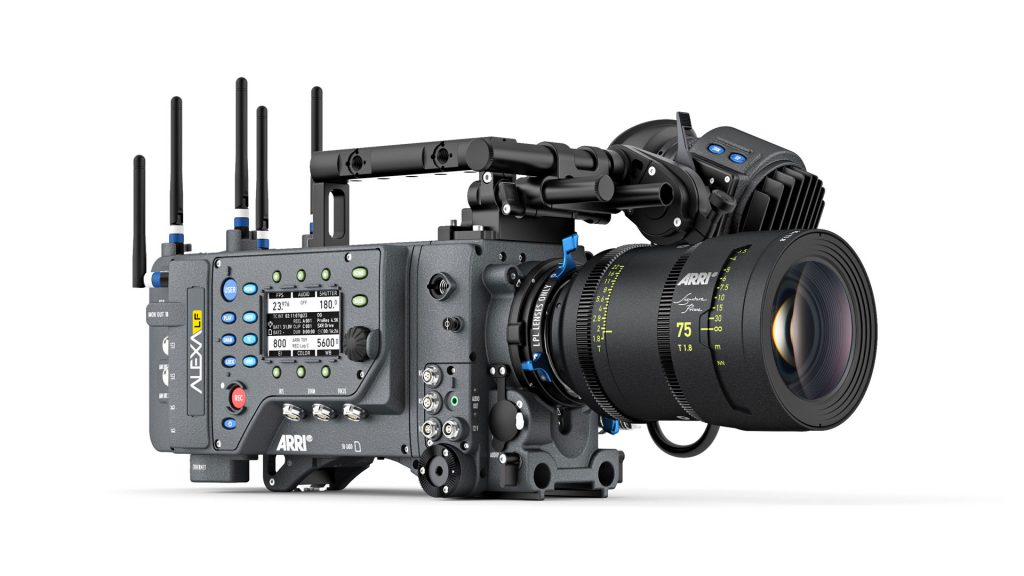
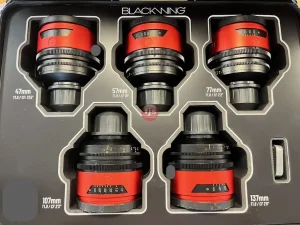
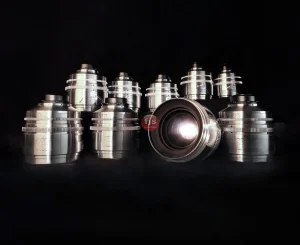
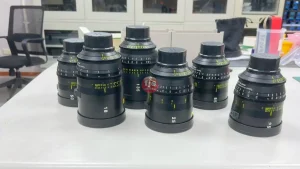
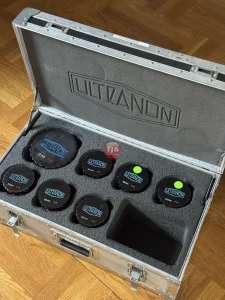
The era of clinical digital perfection is facing a soulful rebellion. While modern sensors capture more detail than ever, cinematographers are increasingly seeking lenses that provide “texture” and “personality” directly in-camera. Leading this movement are two significant 2026 releases: the ultra-premium Zeiss Aatma T1.5 series and the mirrorless-optimized IronGlass Air Series.
Key Features and Benefits of Modern Character Glass
- Intentional Optical Flaws: Unlike standard high-end glass, these lenses prioritize “soul” over sharpness. They feature specific aberrations like swirly bokeh, lower contrast, and “soap-bubble” highlights that distinguish digital footage from sterile “content.”
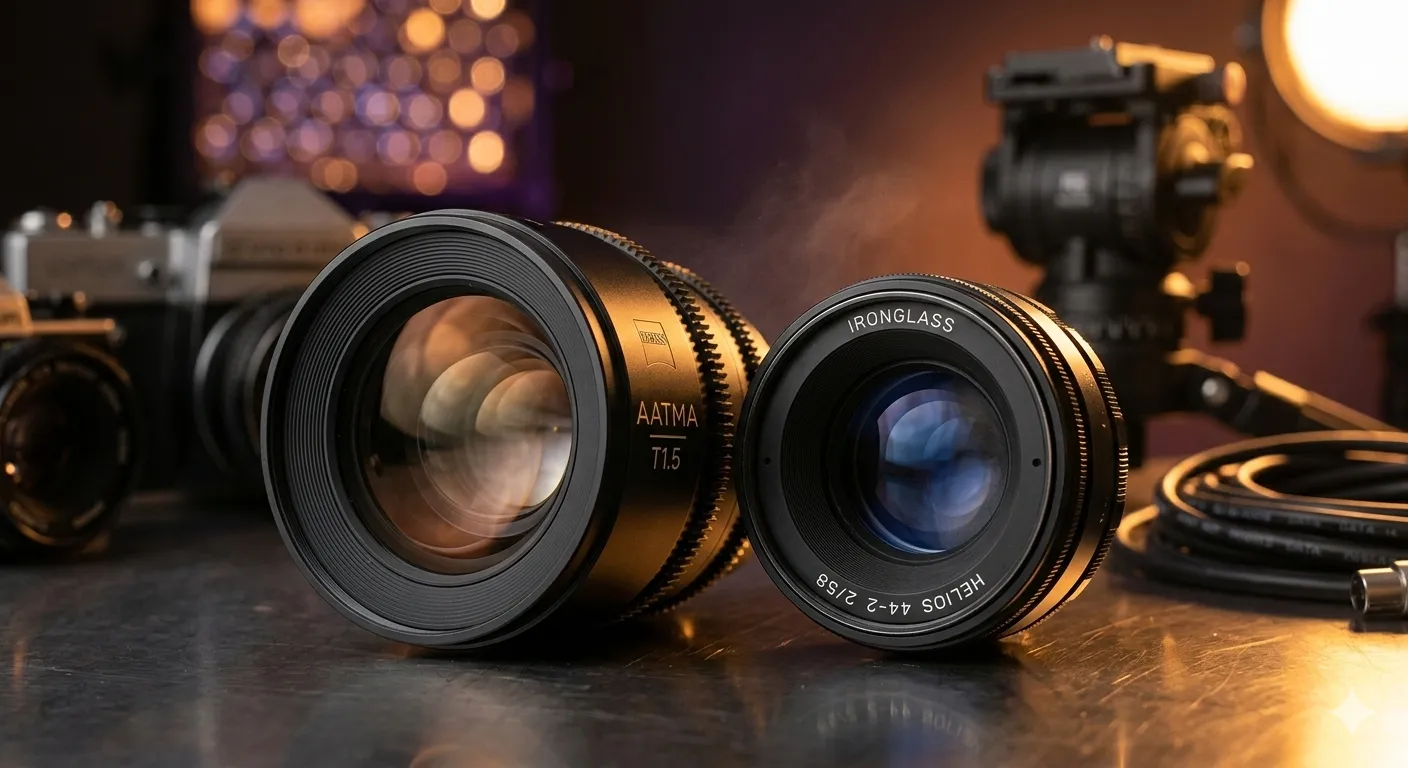
- Zeiss Aatma’s “Innermost Essence”: Inspired by the legendary Contax Zeiss aesthetics, the Aatma series ($21k–$25k per lens) offers a T1.5 aperture across nine focal lengths. They render skin tones with a “painterly” softness while maintaining modern mechanical reliability.
- IronGlass Air for Mirrorless: Built on rehoused Soviet optics (Helios 44-2, Mir-1B), the Air series brings the “Dune: Part Two” look to compact mirrorless systems. These lenses are lightweight, feature unified gear positions, and offer user-swappable mounts (Sony E, RF, L-Mount).
- The “Soap-Bubble” Effect: Aatma lenses specifically mimic the over-corrected spherical aberration of vintage glass, creating a structured bokeh that makes the background an active part of the narrative.
- Professional Ergonomics: Despite their vintage rendering, both sets include modern essentials: PL mounts, standardized front diameters (95mm for Zeiss, 80mm for IronGlass Air), and full data integration (eXtended Data for Zeiss).
- Cinematic Heritage: IronGlass continues the legacy of the “Soviet Speed” look, famously used by Greig Fraser, ACS, ASC, to ground high-budget sci-fi in a tangible, analog-feeling reality.
Conclusion
The simultaneous launch of the Zeiss Aatma and IronGlass Air confirms that the industry has reached a tipping point. Perfection is no longer the goal; storytelling through unique visual texture is. Whether you are investing in the boutique craftsmanship of Zeiss or the rehoused history of IronGlass, these lenses allow filmmakers to inject “analog soul” into the digital pipeline without the mechanical headaches of true vintage glass.