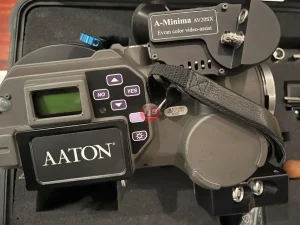
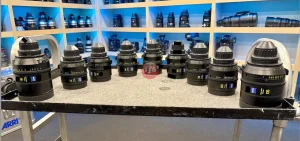
This in-depth guide covers wide-angle lens features, benefits, FAQs, and a listicle of key information for photographers. Learn how they enhance landscapes, architecture, and interiors.
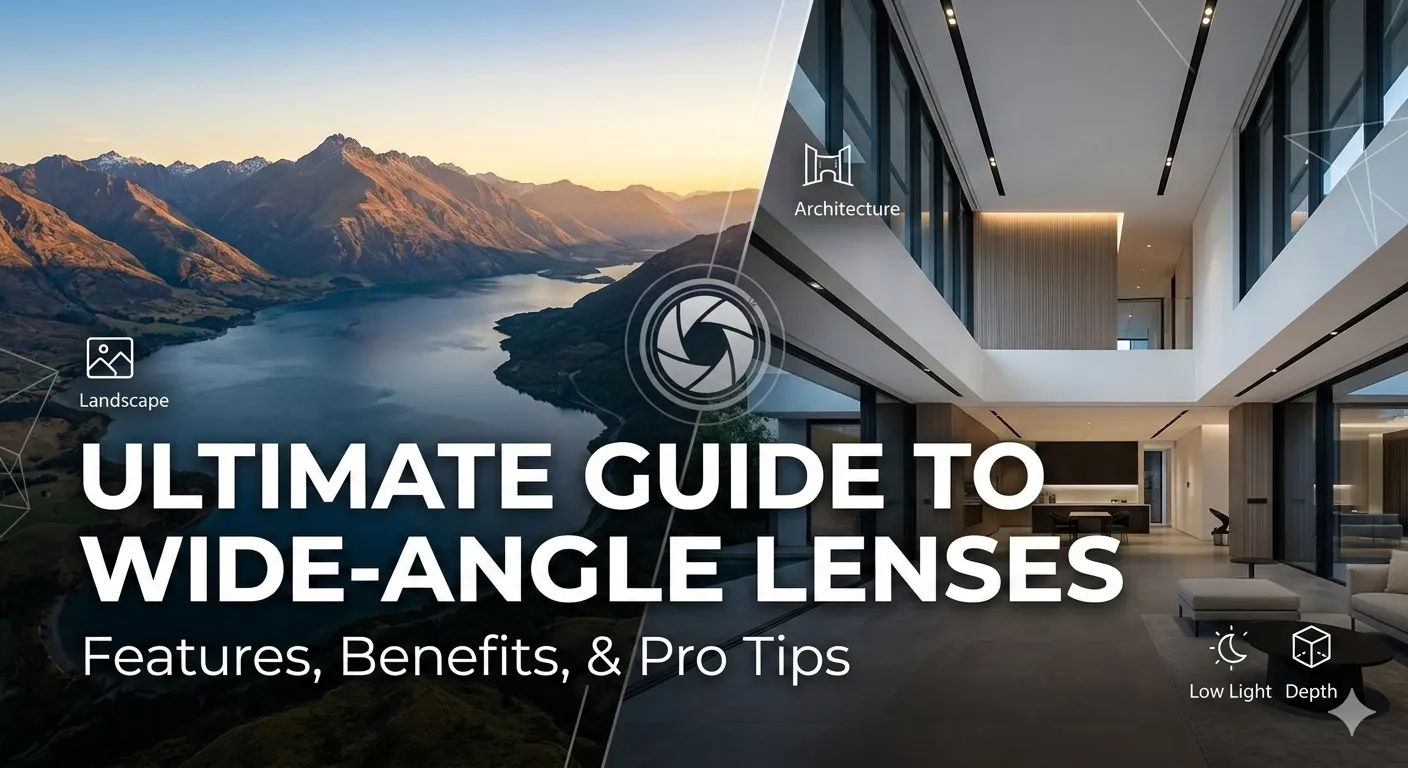
Wide-angle lenses are powerful tools for photographers of all skill levels, offering a unique perspective and expanded field of view. From sweeping landscapes to tight interiors, understanding the capabilities and limitations of these lenses is key to capturing stunning images. In this article, we delve into the technical details and creative potential of wide-angle photography.
List of Wide-Angle Lens Features and Benefits
- Expanded Field of View: Wide-angle lenses have short focal lengths (e.g., 14mm to 35mm on a full-frame camera), allowing you to capture a wider angle of view than a standard lens.
- Exaggerated Perspective: This feature can be used creatively to make foreground elements appear large and prominent, adding depth and drama to your photos.
- Increased Depth of Field: Wide-angle lenses generally have a deeper inherent depth of field, making it easier to keep both the foreground and background in sharp focus.
- Excellent for Landscapes: The wide view is perfect for capturing vast natural scenes, emphasizing the scale and grandeur of the landscape.
- Ideal for Architecture and Interiors: When shooting in cramped or confined spaces, wide-angle lenses allow you to capture more of the room or building in a single shot.
- Low-Light Capabilities (with wide aperture): Wide-angle lenses with a large maximum aperture (like f/2.8 or wider) excel in low-light conditions, making them ideal for astro-photography, indoor events, and creative night photography.
Conclusion
Wide-angle lenses are essential tools for a variety of photographic genres, from the grand vistas of landscape photography to the tight corners of architectural and interior work. By understanding their unique perspective, depth of field advantages, and low-light capabilities (when equipped with a wide aperture), you can unlock a new realm of creative possibilities. While perspective distortion can occur, careful composition and post-processing techniques can help you harness the power of these versatile lenses.