
Does Software De-Squeezing Deliver True Anamorphic Quality?
Ever wondered why some movies have black bars at the top and bottom when viewed on a widescreen TV? Those films were likely shot in anamorphic format,
Taking Control: Can You Fine-Tune De-Squeezing on Your TV?
Let’s explore whether you can adjust de-squeezing settings on your TV and how this can impact your viewing experience.
Not All Content Stretches the Same: Why Source Matters for De-Squeezing
the source content itself plays a critical role in how effective de-squeezing is. Let’s delve into why!
Finding the Sweet Spot: Can You Have Both Immersion and Accuracy with De-Squeezing?
De-squeezing seems like the answer, but can it truly offer a middle ground between a full screen and pristine image fidelity? Let’s explore the potential for a compromise.
Not All Stretches Are Created Equal: A Guide to De-Squeezing Methods
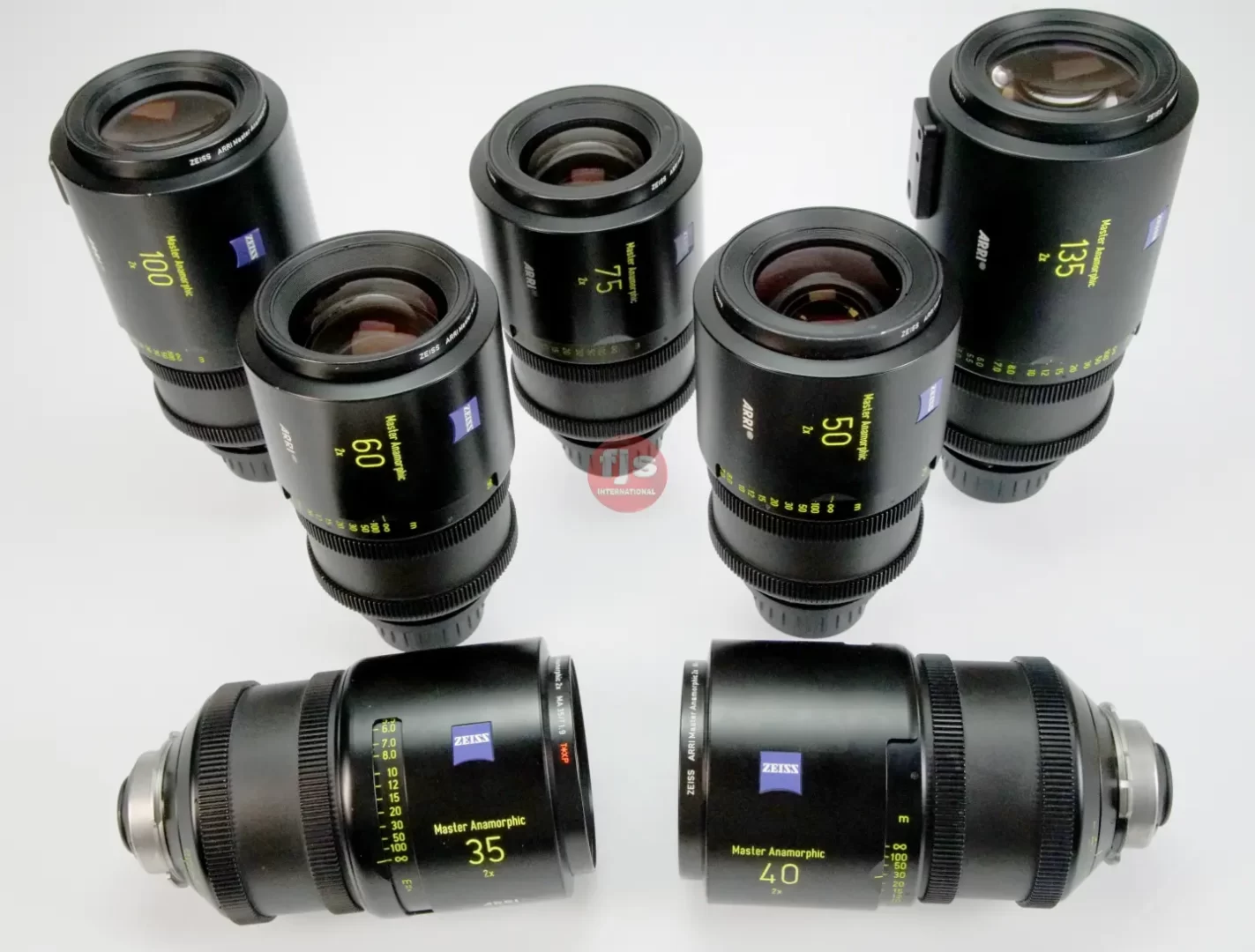
Software de-squeezing tackles this by stretching the image to fill the screen. But is all de-squeezing the same? Let’s delve into the different methods and their impact on your viewing experience.
APRIL 17 OFFERS
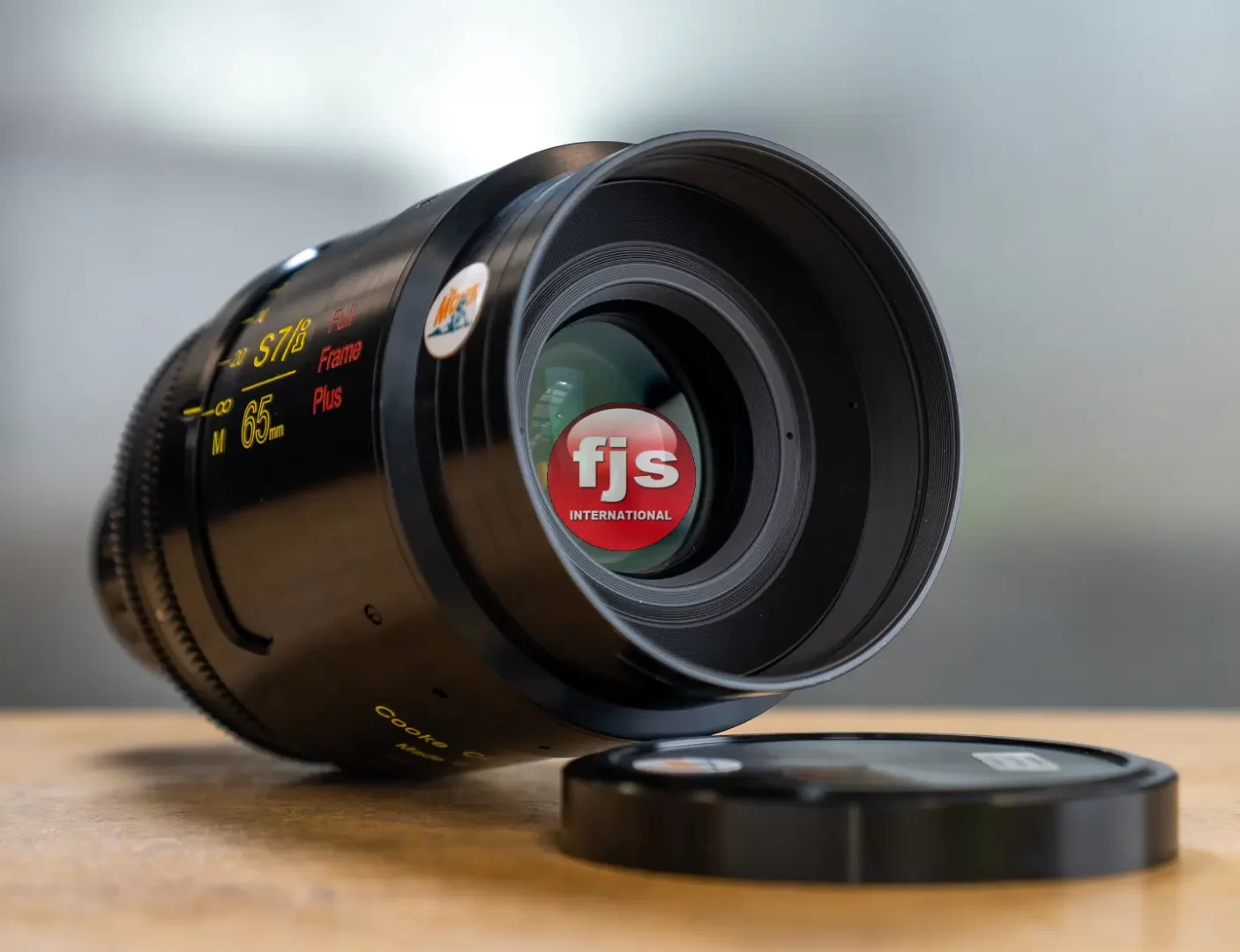
APRIL 27 – 2023 OFFERS
What are the three different types of prime lenses?
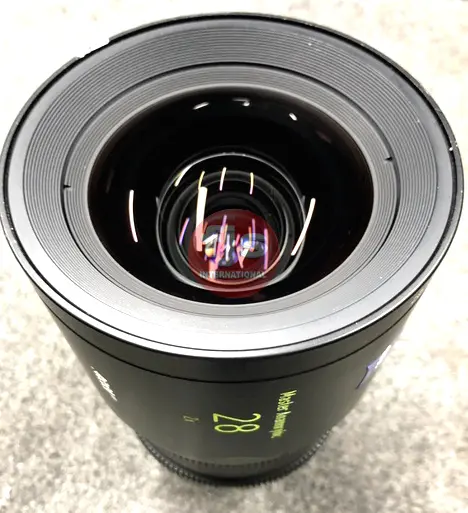
Prime lenses might seem like a simple category, but they actually encompass a wide range of focal lengths, each suited to different applications in photography.
The opposite of a zoom lens is a prime lens, also known as a fixed focal length lens.
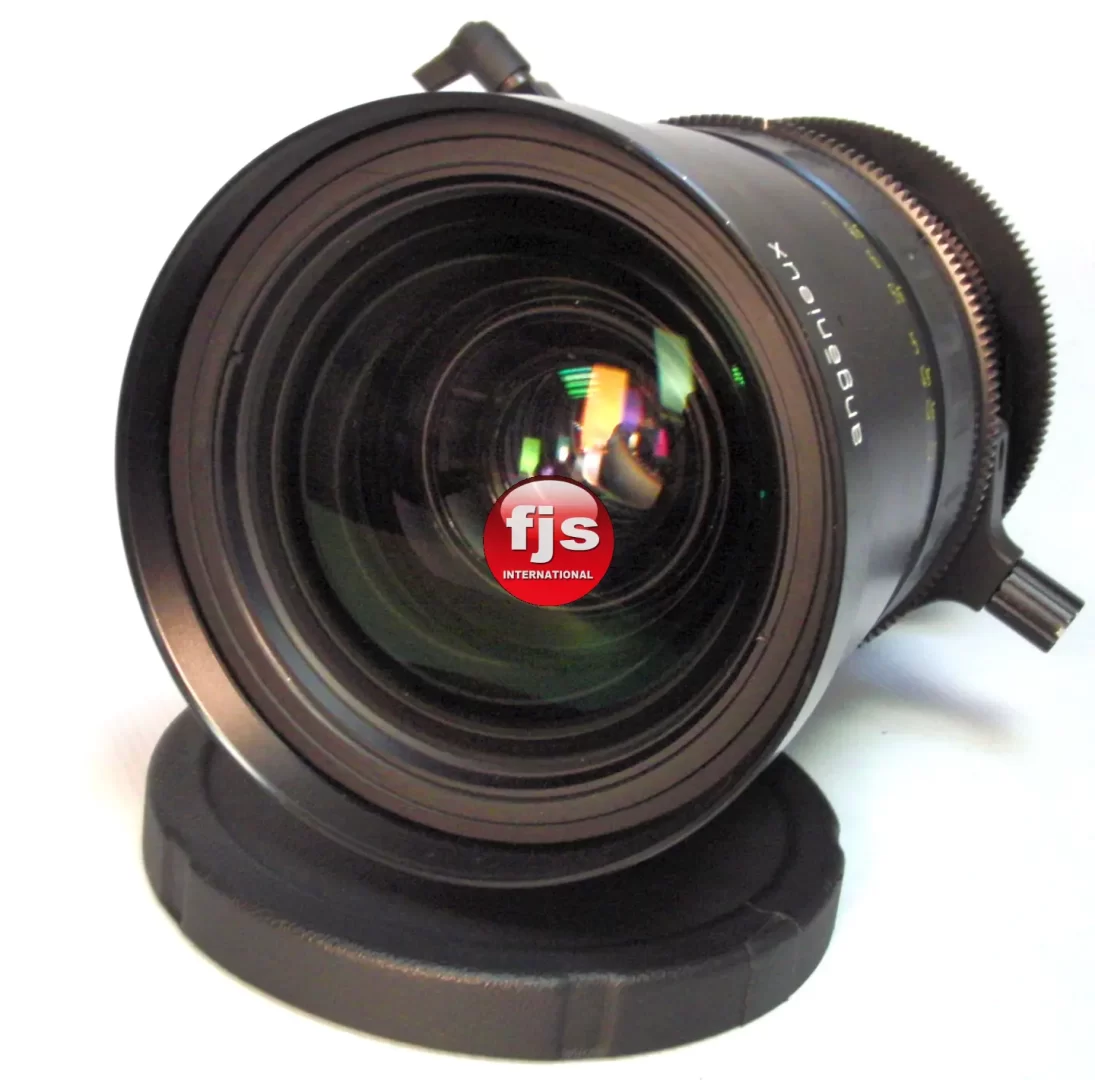
The opposite of a zoom lens is a prime lens, also known as a fixed focal length lens.
Spotting a Prime Lens: A Detective’s Guide for Photographers
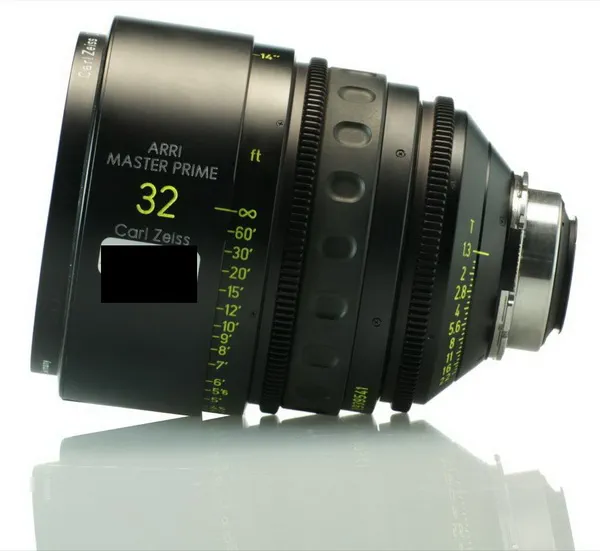
Choosing the right lens is crucial for capturing stunning photos. But with so many options, differentiating between prime and zoom lenses can be tricky.
The “Best” Prime Lens: It Depends on Your Vision
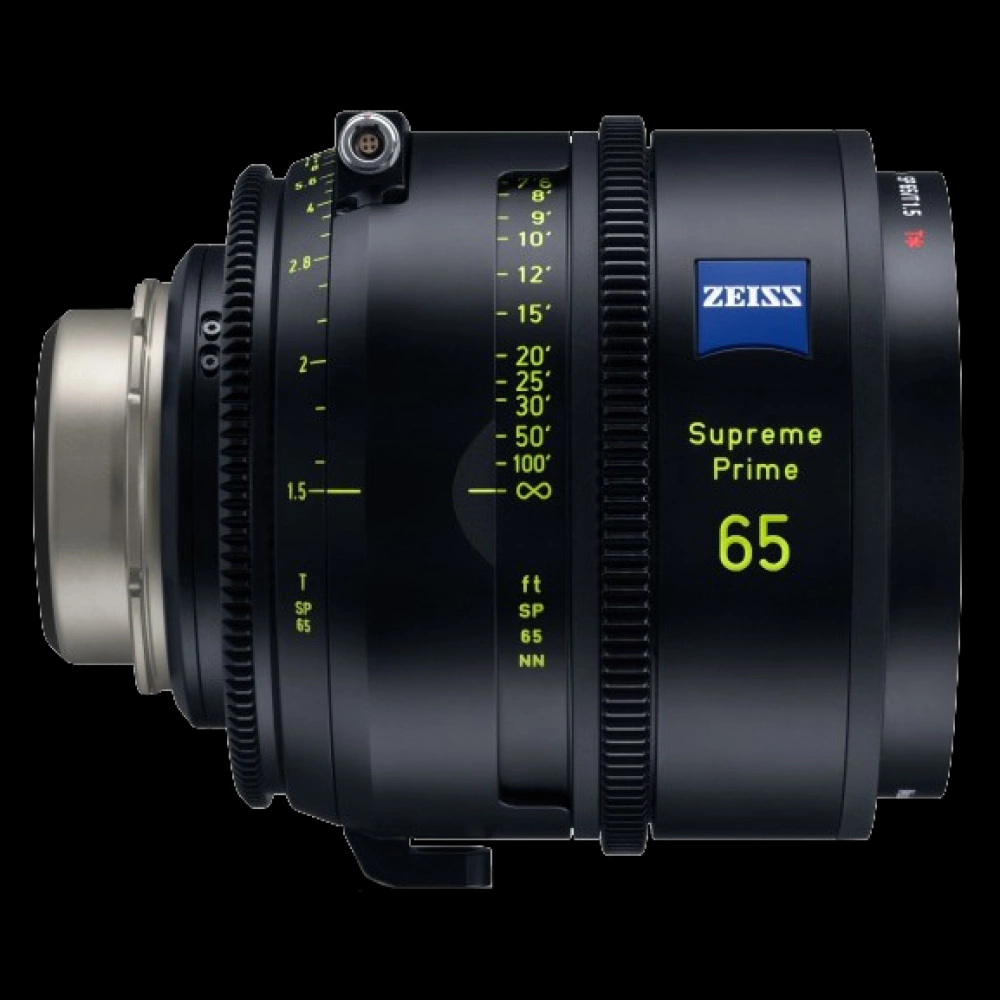
There’s no single “best” prime lens – it all boils down to your personal photography style and what you want to achieve.