Canon’s massive firmware suite brings robust USB-C control and enhanced on-set integration to the Cinema EOS C400, C80, and C50 systems.
The modern film set demands an unprecedented level of device interoperability. Wireless camera control has long been the industry standard for lightweight rigs, gimbals, and remote cranes. However, any digital imaging technician (DIT) or camera assistant (AC) will tell you that relying entirely on 2.4GHz or 5.8GHz Wi-Fi bands in congested studio environments is a recipe for signal dropouts and latency.
To address these critical points of failure, Canon has rolled out a massive, highly integrated firmware update ecosystem across its popular Cinema EOS lineup—specifically targeting the EOS C400, EOS C80, and EOS C50 camera systems.
This technical analysis explores how Canon’s new firmware updates shift the paradigm by introducing a standardized, physical USB-C camera control protocol that eliminates wireless interference and maximizes on-set reliability.
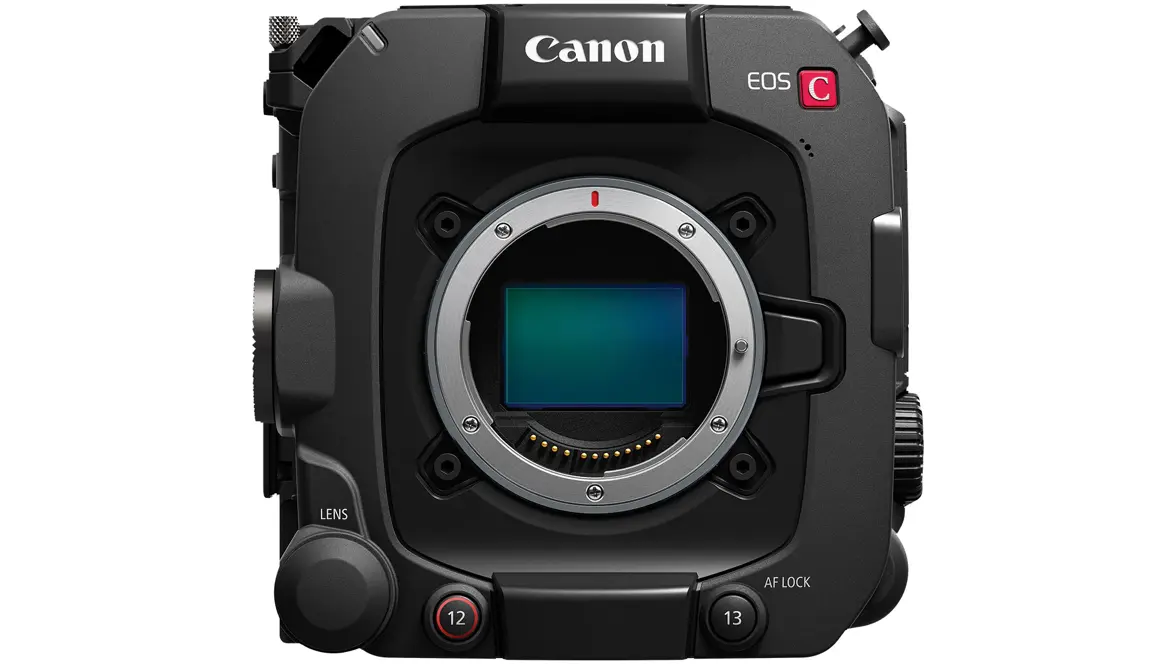
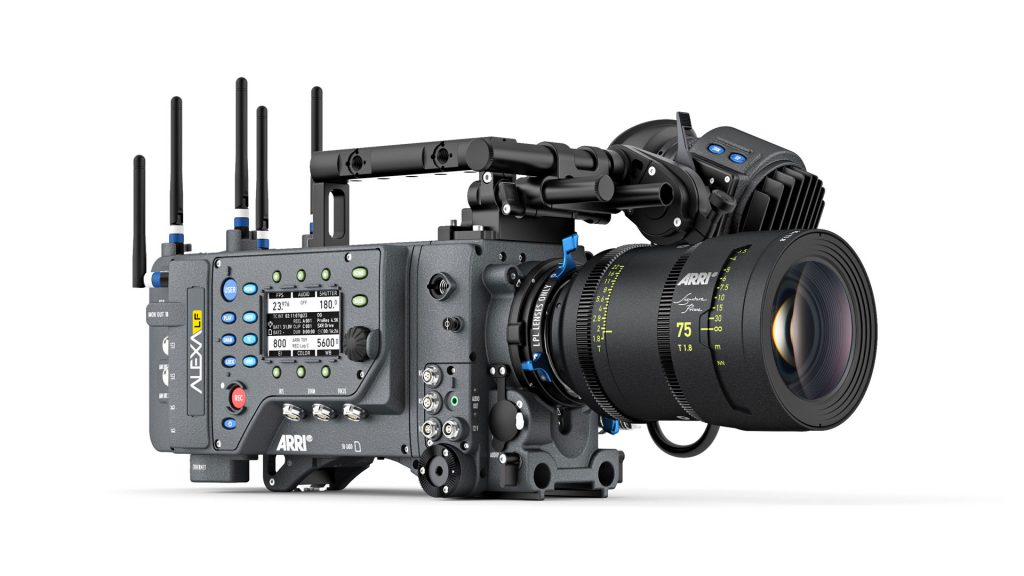
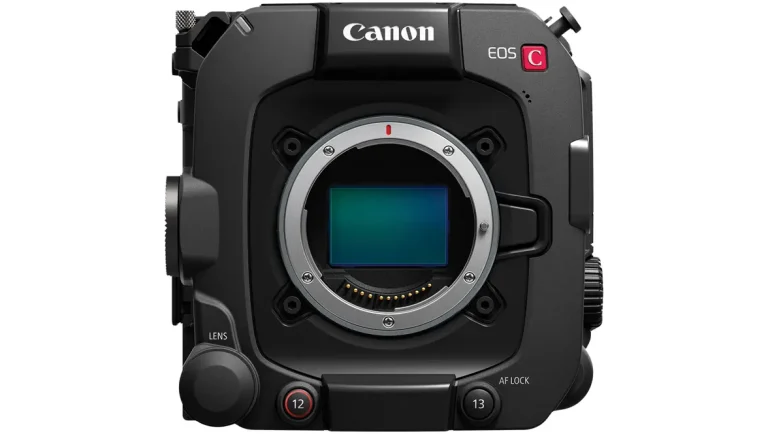
The Visuals: Canon’s Cinema EOS Ecosystem
5 Key Features of the Canon Cinema EOS Firmware Update
1. Standardized USB-C Control Protocol
Prior to this release, wired remote camera control often required complex, proprietary multi-pin connectors or costly expansion modules. The new firmware enables a standardized USB-C interface to handle bidirectional control communication. This allows third-party accessories to interact directly with the camera’s internal operating system.
2. Comprehensive Parameter Manipulation
The USB-C protocol is not limited to simple start/stop commands. Operators can now natively control:
- Exposure Settings: Real-time adjustments of shutter speed/angle, ISO/Gain, and ND filters.
- Aperture & Focus: Precise electronic iris adjustments and fine manual focus control when utilizing compatible RF or EF lenses.
- Status Monitoring: Real-time feed of camera metadata back to the controller.
3. Native Third-Party Gimbal Integration
By standardizing the USB-C control API, Canon has cleared the path for gimbal manufacturers (such as DJI and Freefly Systems) to build seamless, plug-and-play control profiles. Operators can adjust critical camera settings directly from the gimbal’s handgrips or remote wheels without needing additional run-stop cables.
4. DIT Cart and Remote Workstation Integration
For multi-camera live broadcasts, virtual productions, and complex narrative sets, the wired USB-C connection can be routed directly to a DIT cart or remote engineering station. This establishes a physical, zero-latency control line that bypasses the need for wireless transmitters or local menus.
5. Unified Firmware Architecture Across Three Tiers
Canon did not limit this update to their top-tier cinema bodies. By deploying the update simultaneously across the EOS C400, mid-tier EOS C80, and entry-level EOS C50, Canon ensures that B-cameras and crash-cameras can be managed using the exact same hardware and software control pipelines as the A-camera.
The Core Benefits for Professional Productions
- Zero Signal Interference: Moving away from wireless control bands to a physical, shielded USB-C cable ensures 100% connection reliability, even on busy stages packed with wireless video transmitters, follow-focus units, and crew communications.
- Reduced Rig Complexity: Eliminating proprietary distribution boxes, conversion cables, and external receiver modules results in lighter, more power-efficient camera builds.
- Perfect Multi-Camera Sync: In virtual production and volume environments, DITs can sync and adjust exposure values across multiple Canon bodies instantly from a central terminal.
- Extended Equipment Lifespan: Older USB-C equipped accessories gain immediate compatibility with modern Cinema EOS bodies, maximizing the return on investment (ROI) for rental houses and owner-operators.
Technical Conclusion
With this major firmware rollout, Canon has delivered more than just minor bug fixes; they have fundamentally updated the physical communication layer of their cinematic cameras. By turning the standard USB-C port into a robust, high-speed camera control gateway, Canon has bridged the gap between premium cinema capture and streamlined modern production logistics.
Questions & Answers
Q: Which cameras are eligible for this firmware update?
A: The firmware suite is specifically engineered for the Canon Cinema EOS C400, EOS C80, and EOS C50 camera bodies.
Q: Do I need a proprietary Canon cable to use the new USB-C control protocol?
A: No. Standard, high-quality USB-C to USB-C data cables (supporting USB 3.2 Gen 1 or higher) are compatible. However, for long runs, shielded or active optical USB-C cables are highly recommended to prevent signal degradation.
Q: Can I still use wireless control if my workflow requires it?
A: Absolutely. The addition of the physical USB-C protocol does not disable the cameras’ built-in Wi-Fi or browser remote systems. It simply provides a highly reliable, physical alternative.