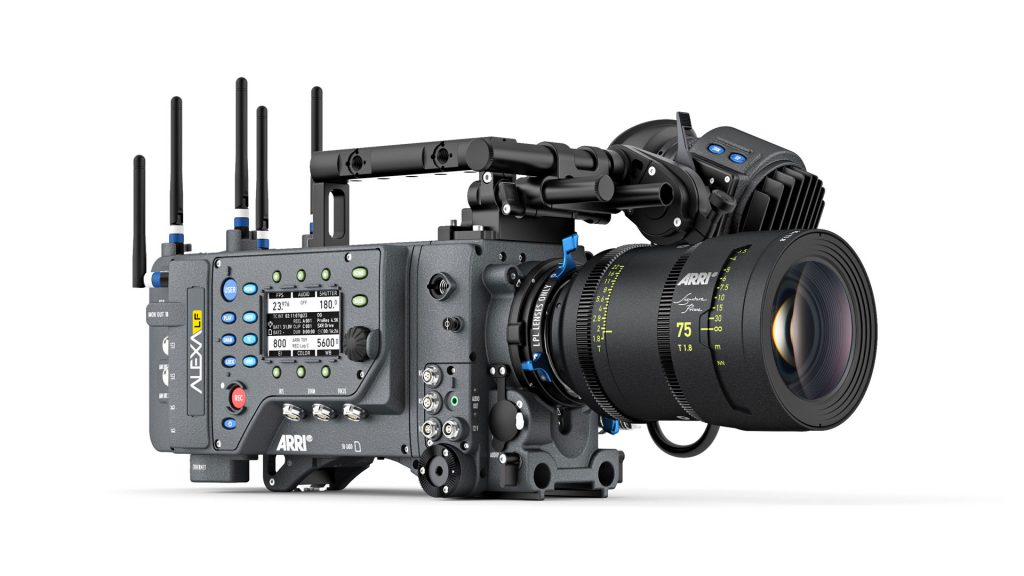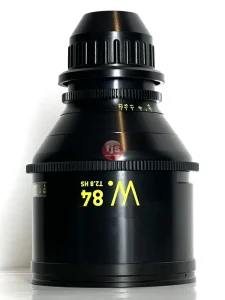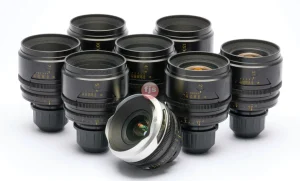
The ARRI Master Anamorphic lenses are renowned for their ability to capture stunningly wide vistas and unique bokeh shapes, adding a distinctive touch to your anamorphic filmmaking. But can these cinematic marvels adapt to the ever-expanding world of full-frame cameras? Let’s explore the possibilities and potential limitations.
Master Anamorphic: Unveiling the Powerhouse
- True Anamorphic Experience: With dedicated internal elements, they deliver the signature wider field of view, distinctive oval bokeh, and controlled lens flares, crafting the essence of anamorphic aesthetics.
- Super 35 Compatibility: Primarily designed for Super 35 sensors, they ensure optimal performance within this format.
- Exceptional Build Quality: Robust construction and precise mechanics guarantee reliable results even in demanding environments.
Full-Frame Compatibility: Unveiling the Nuances
Technically yes, you can use Master Anamorphic lenses on full-frame cameras with an adapter. However, consider these key points:
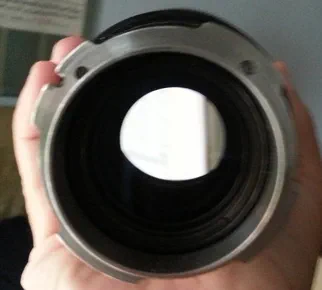
- Image Circle Coverage: While these lenses have a larger image circle than Super 35, it might not fully cover the full-frame sensor, leading to vignetting around the edges.
- Adapter Impact: Depending on the adapter quality and compatibility, slight performance variations like sharpness or flare characteristics might occur.
- Creative Intent: Using full-frame cameras with anamorphic lenses can create a unique aesthetic with wider aspect ratios, but requires careful framing and post-processing adjustments to counteract vignetting.
Conclusion: Full-Frame Flexibility with Cautions
While not perfectly native to full-frame, Master Anamorphic lenses offer exciting possibilities for exploring wider formats. Remember:
- Assess your creative needs: Do you prioritize the full-frame sensor’s advantages or the true anamorphic look?
- Evaluate vignetting potential: Test with your specific camera and adapter combination to understand the extent of vignetting and its impact on your vision.
- Embrace post-processing: Utilize cropping and other techniques to manage vignetting and achieve your desired aspect ratio in post-production.
For true full-frame anamorphic experience without vignetting, dedicated full-frame anamorphic lenses might be a better fit. Ultimately, the choice depends on your creative vision and workflow preferences.
Frequently Asked Questions:
Q: Will I experience major quality loss using Master Anamorphic lenses on full-frame?
A: Not necessarily. While slight variations might occur, the overall image quality remains exceptional.
Q: What are the advantages of using full-frame with anamorphic lenses?
A: It can offer wider aspect ratios, potentially higher resolution, and potentially better low-light performance compared to Super 35.
Q: Are there dedicated full-frame anamorphic lens options available?
A: Yes, various manufacturers offer full-frame anamorphic lens series designed specifically for this format.