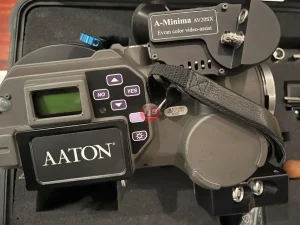
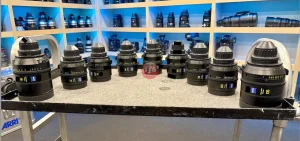
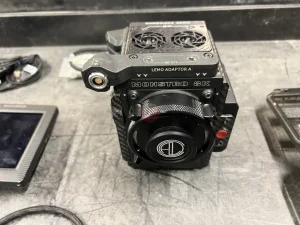
CP+ 2026 revealed a surprising trend: Leica M-mount lenses are encroaching into cinema, driven by small-body cameras, “character” optics demand, and new autofocus adapters.
The divide between photography and cinema glass is evaporating. At CP+ 2026, the spotlight fell on an unexpected hero: the Leica M-mount. Once reserved for street photographers, these lenses are being aggressively adopted by cinematographers seeking a blend of ultra-compact form factors and vintage soul.
The Top 5 Drivers of the M-Mount Shift
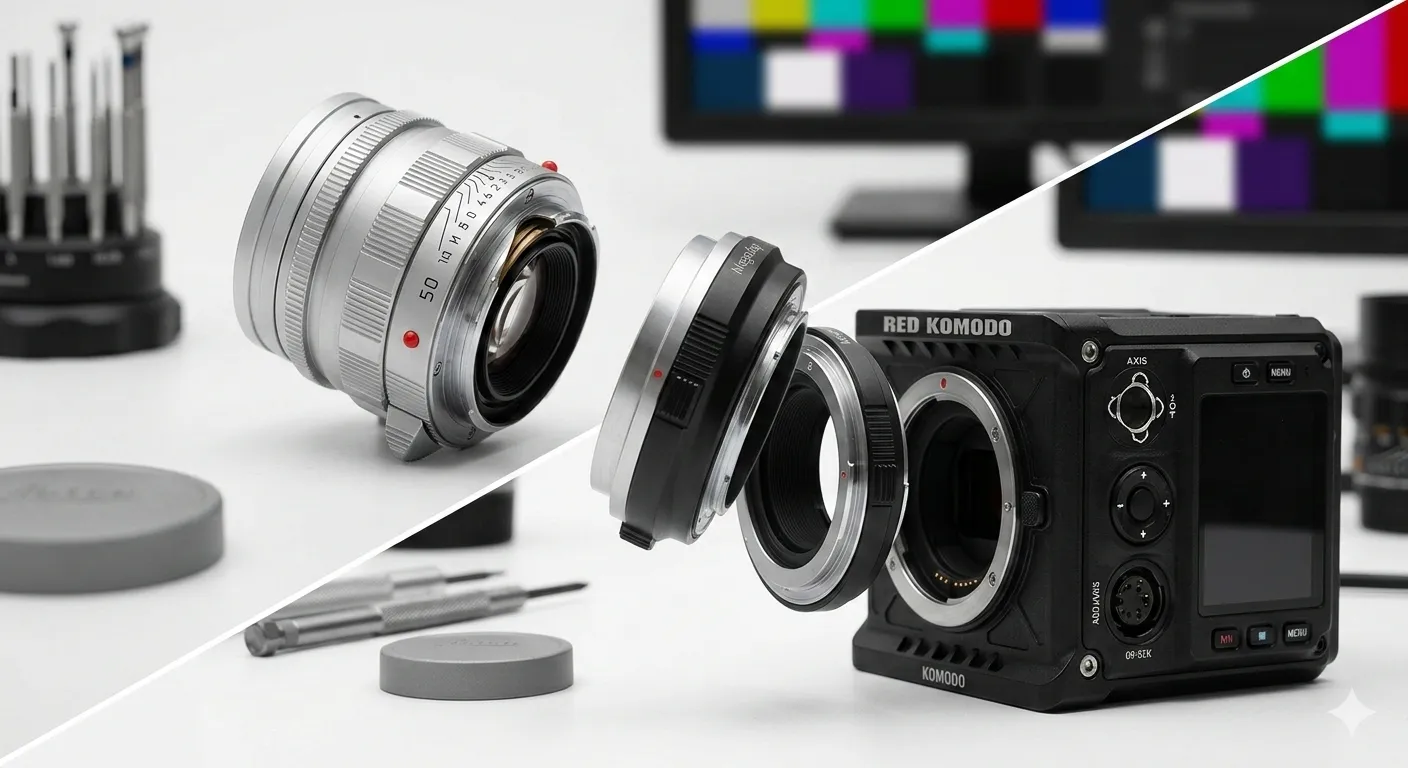
- Compact Camera Synergy: Small-body powerhouses like the Sony FX3 and RED Komodo-X are the perfect match for the M-mount’s short flange distance. This pairing enables high-end rigs that fit in the palm of your hand or on tiny gimbals.
- The “Character” Craze: In an era of clinical digital sensors, DPs are hunting for “flaws.” M-mount optics offer unique flares, lower contrast, and “swirly” bokeh that differentiate footage from generic high-definition content.
- AF Innovation: The Megadap MTZ11 adapter has changed the game. It translates Canon RF/Sony E autofocus signals to mechanically move manual M-mount lenses, allowing for eye-tracking on vintage glass.
- Boutique Modern Glass: Brands like Thypoch and Brightin Star are releasing new M-mount primes specifically for filmmakers, featuring de-clicked apertures and “golden-era” optical formulas.
- Hybrid Efficiency: Indie filmmakers can now use one elite lens kit for both high-end stills and narrative video, streamlining gear bags without sacrificing professional quality.
Key Features & Benefits
- Form Factor: Significantly smaller than PL or EF counterparts.
- Aesthetic: Native vintage “film-look” with organic roll-off.
- Adaptability: Easily mounts to almost any mirrorless system.
- Speed: Fast apertures (often f/1.4 or f/0.95) in tiny housings.
- Cost: Access to legendary glass at a fraction of “Cine-rehoused” prices.
Conclusion
The M-mount’s rise in cinema is a pragmatic evolution. As cameras get smaller and the demand for “organic” imagery grows, these rangefinder lenses provide the perfect bridge between classic artistry and modern technical convenience.