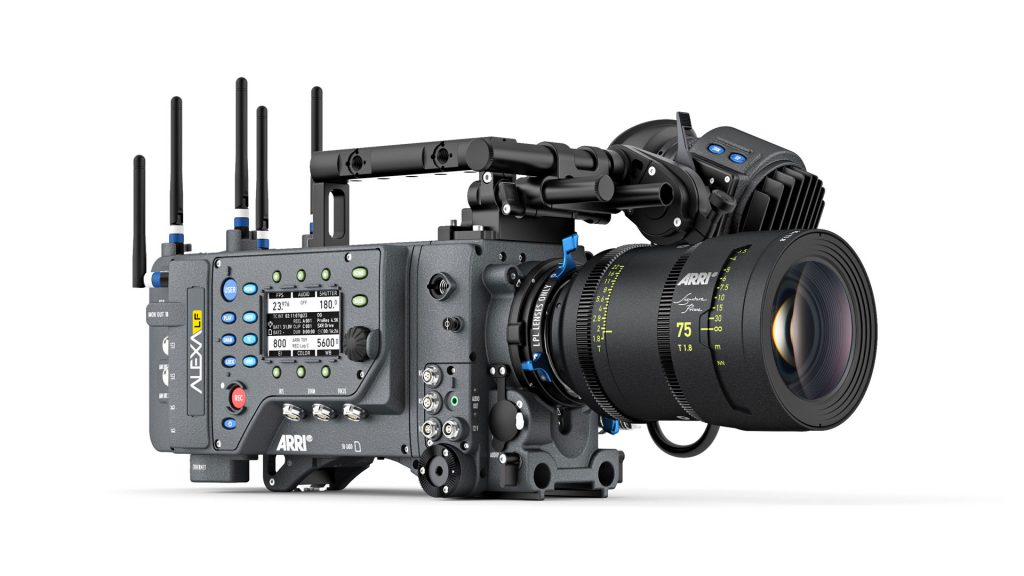
Autofocus is no longer just a convenience feature. Discover how modern cinema productions are embracing intelligent focus systems for gimbals, virtual production, and solo filmmaking workflows.
For decades, professional cinematography has relied on one fundamental principle: focus is controlled manually. The relationship between a camera operator, a focus puller, and a cinema lens has long been considered an essential part of filmmaking craftsmanship.
However, the landscape is changing. Advances in autofocus technology, artificial intelligence, lens communication protocols, and camera processing power are transforming how productions approach focus management. What was once viewed with skepticism is now being evaluated as a legitimate production tool for specific shooting environments.
Recent announcements surrounding autofocus solutions such as Tilta’s Nucleus Autofocus Adapter and Viltrox’s NexusFocus platform highlight a growing industry trend. Manufacturers are increasingly designing systems that bridge traditional cinema lenses with modern autofocus workflows, bringing intelligent focus capabilities to professional cinema productions.
Below are the key reasons why autofocus is becoming one of the most significant technological developments in contemporary cinematography.
1. Modern Autofocus Is Significantly More Advanced Than Earlier Systems
Traditional autofocus systems often struggled with reliability, hunting behavior, and inconsistent subject tracking. These limitations made them unsuitable for professional filmmaking.
Today’s autofocus technologies leverage:
- AI-based subject recognition
- Human eye detection
- Face tracking
- Machine learning algorithms
- Real-time depth mapping
- Advanced phase-detection sensors
These innovations allow modern cinema cameras to maintain focus accuracy even in challenging environments where manual focus operation may be difficult.
Key Feature
Intelligent subject recognition and predictive focus tracking.
Benefit
Improved reliability during dynamic shots and complex camera movements.
2. Gimbal Cinematography Is Driving Adoption
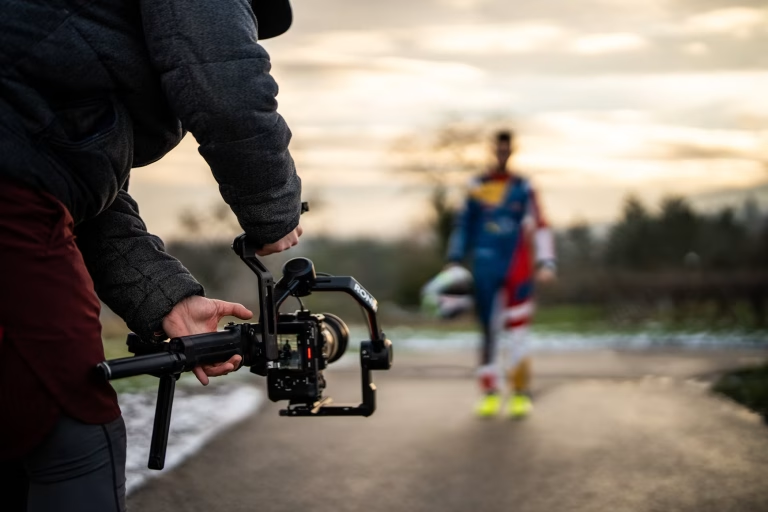
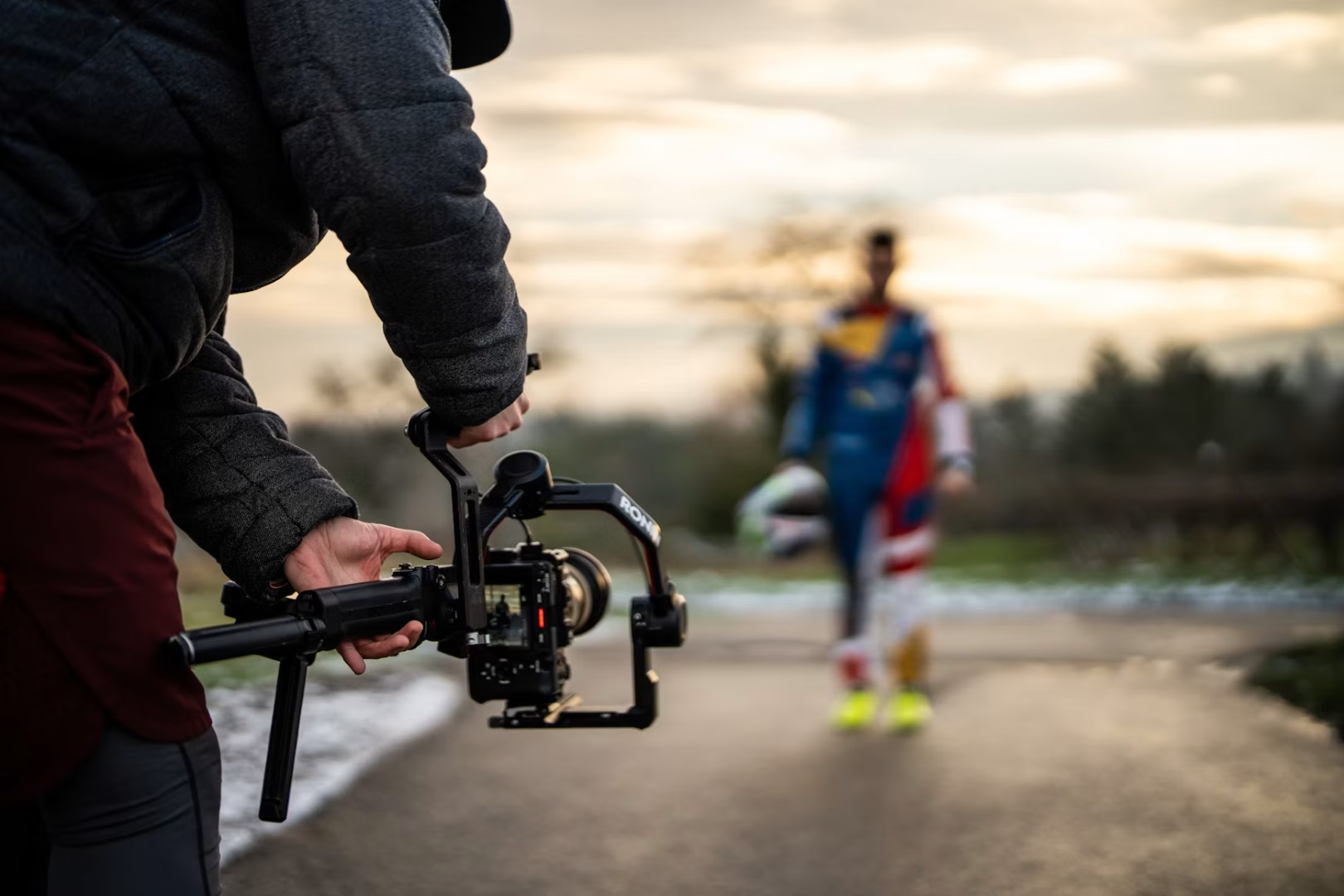
One of the strongest arguments for autofocus comes from modern gimbal operation.
Complex tracking shots often place operators in situations where simultaneously controlling camera movement and focus becomes impractical. Autofocus systems can reduce operational complexity while maintaining acceptable focus accuracy.
As productions increasingly utilize stabilizers, drones, vehicle rigs, and handheld gimbal systems, autofocus becomes a valuable tool rather than a compromise.
Key Feature
Continuous focus tracking during camera movement.
Benefit
More efficient operation for single-operator and lightweight production crews.
3. Virtual Production Workflows Demand Faster Focus Solutions
The rise of LED volume stages and virtual production environments has introduced new workflow challenges.
Productions frequently move between physical and virtual environments, requiring rapid adjustments and high levels of technical precision.
Autofocus technologies can help streamline these workflows by reducing setup times and assisting operators when shooting in technically demanding virtual production scenarios.
Key Feature
Integration with modern camera metadata and tracking systems.
Benefit
Improved workflow efficiency during virtual production shoots.
4. Solo Operators Need Additional Support
The growth of independent filmmaking, documentary production, and content creation has increased demand for tools that reduce crew requirements.
Many productions now operate with:
- Smaller crews
- Faster schedules
- Lower budgets
- Multi-role operators
Autofocus systems provide valuable assistance in situations where a dedicated focus puller may not be available.
Key Feature
Automated focus assistance.
Benefit
Greater operational flexibility for owner-operators and independent filmmakers.
5. Cinema Lens Manufacturers Are Adapting
Historically, autofocus was associated primarily with photography lenses rather than professional cinema optics.
Manufacturers are now developing solutions that enable autofocus functionality with cinema-oriented lens ecosystems. This includes adapters, motorized focus systems, and electronic communication technologies designed to work alongside traditional PL-mount lenses.
This shift allows productions to maintain the optical characteristics of cinema lenses while benefiting from automated focus technologies.
Key Feature
Compatibility between cinema lenses and autofocus platforms.
Benefit
Preservation of cinematic image quality while expanding operational flexibility.
6. Autofocus Is Complementing Rather Than Replacing Focus Pullers
A common misconception is that autofocus aims to replace the role of the focus puller.
In reality, most professional cinematographers view autofocus as another tool in the production toolkit.
Manual focus remains essential for:
- Narrative filmmaking
- Complex blocking
- Creative focus transitions
- Precision rack-focus techniques
Autofocus is increasingly used when speed, mobility, or operational simplicity provide greater value than complete manual control.
Key Feature
Hybrid manual and automated workflows.
Benefit
Greater flexibility for diverse production environments.
7. The Future Is Hybrid Focus Technology
The industry appears to be moving toward hybrid focus workflows that combine manual expertise with automated assistance.
Future cinema systems are expected to include:
- Enhanced subject recognition
- AI-assisted focus suggestions
- Lens metadata integration
- Predictive tracking algorithms
- Improved autofocus compatibility with cinema lenses
Rather than replacing traditional filmmaking techniques, autofocus technology is becoming another creative option available to cinematographers.
Key Feature
Human-guided automation.
Benefit
Higher efficiency without sacrificing creative control.
Key Features of Modern Cinema Autofocus Systems
- AI-powered subject recognition
- Eye and face detection
- Continuous focus tracking
- Compatibility with gimbals and stabilizers
- Integration with virtual production workflows
- Cinema lens support through adapters
- Wireless focus system integration
- Real-time lens metadata communication
Benefits for Professional Productions
- Faster setup and operation
- Improved efficiency for small crews
- Enhanced gimbal performance
- Better support for virtual production
- Reduced operational complexity
- Greater flexibility during documentary and live-event work
- Increased focus consistency during dynamic shots
- Expanded creative options for cinematographers
Frequently Asked Questions
Is autofocus replacing focus pullers?
No. Autofocus is primarily being adopted as a complementary tool for specific shooting scenarios rather than a replacement for professional focus pullers.
Why was autofocus traditionally unpopular in cinema?
Earlier autofocus systems lacked reliability and often produced visible focus hunting, making them unsuitable for professional productions.
What has changed recently?
Advances in AI, machine learning, phase-detection sensors, and subject recognition have significantly improved autofocus performance.
Which productions benefit most from autofocus?
Documentaries, gimbal-based productions, virtual production shoots, corporate filmmaking, live events, and solo-operator projects.
Can PL-mount cinema lenses use autofocus?
Certain emerging solutions and adapters are designed to bring autofocus capabilities to cinema lens ecosystems, including some PL-mount workflows.
Is manual focus still important?
Absolutely. Narrative filmmaking and highly controlled productions continue to rely heavily on manual focus techniques.
Will autofocus become standard in cinema cameras?
Many industry observers expect autofocus functionality to become increasingly common, although manual focus will remain an essential professional skill.
Conclusion
The debate surrounding autofocus in professional cinematography is evolving rapidly. What was once considered a consumer-oriented feature is increasingly becoming a practical production tool for modern filmmaking environments. As camera systems, lens technologies, and artificial intelligence continue to advance, autofocus is finding its place alongside traditional focus-pulling techniques rather than competing against them.
The future of cinematography is unlikely to be fully manual or fully automated. Instead, the industry appears headed toward hybrid workflows that combine human creative control with intelligent technological assistance. For cinematographers working in fast-paced production environments, autofocus is no longer a novelty—it is becoming a serious tool for professional storytelling.