ZEISS is evolving cinema optics into intelligent tools by combining lens metadata, virtual production tracking, and workflow automation for faster and more accurate filmmaking.
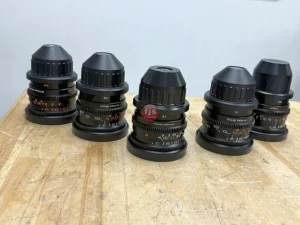
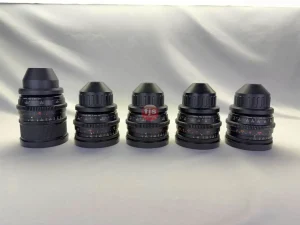
Modern cinematography is no longer driven by optical performance alone. At NAB 2026, ZEISS demonstrated how lens metadata workflows are becoming just as critical as image quality, introducing the new Aatma cinema lenses alongside the expanded CinCraft Scenario platform for camera tracking and virtual production.
For cinematographers, VFX supervisors, and digital imaging technicians, this marks a major shift: lenses are no longer passive glass. They are becoming active contributors to the production pipeline.
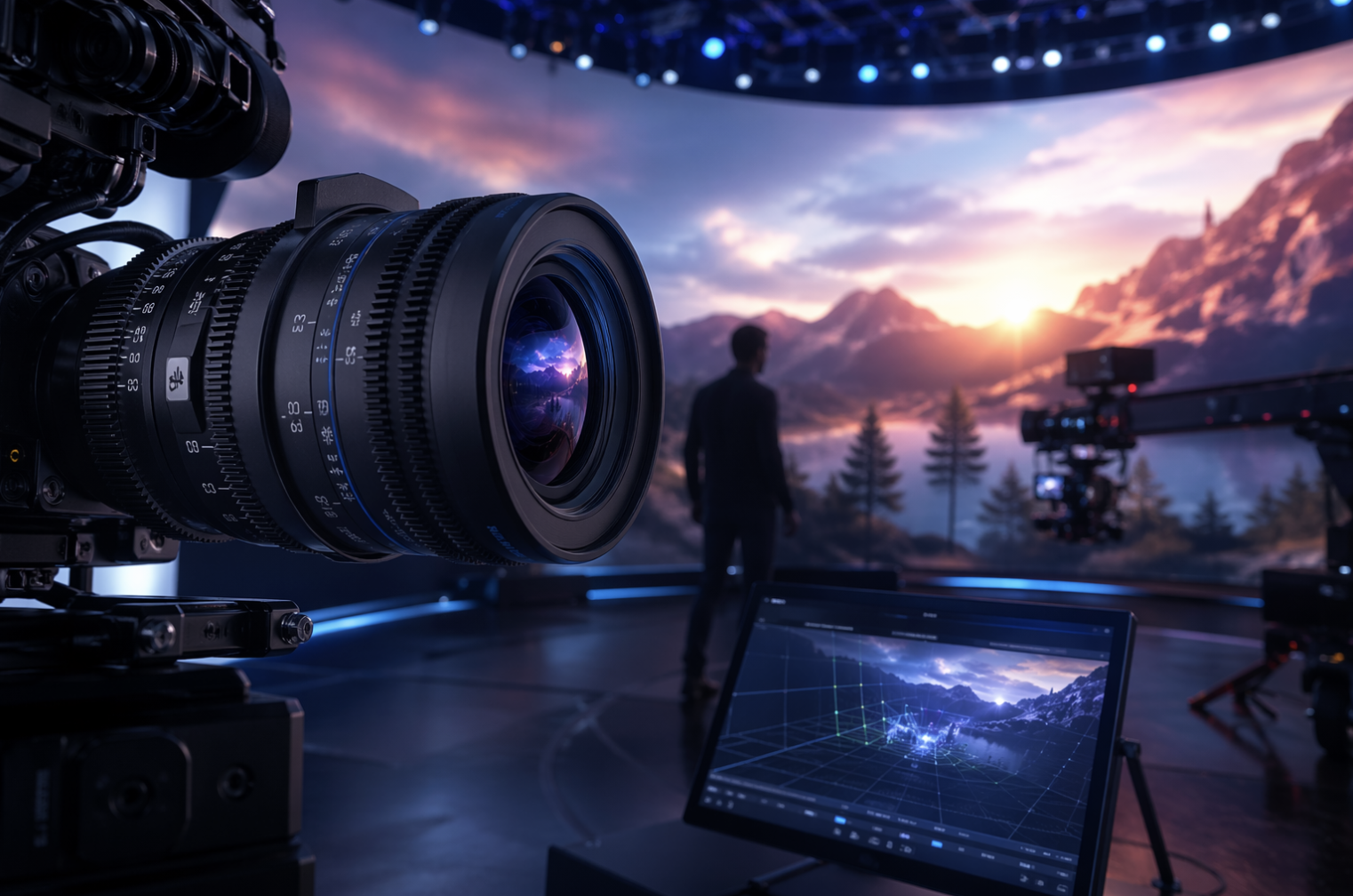
1. Lens Metadata Is Becoming a Core Production Tool
Traditional cinema lenses mainly delivered optical characteristics such as contrast, sharpness, and flare behavior. ZEISS is pushing further by embedding real-time lens intelligence into the workflow.
Metadata can now transmit:
- Focus distance
- Iris position
- Distortion mapping
- Shading data
- Lens breathing profiles
- Nodal point information
This information allows production teams to synchronize camera movement and lens behavior directly with virtual environments.
Key Features
- Frame-accurate lens telemetry
- Pre-calibrated lens profiles
- Automated distortion correction
- Real-time metadata export
- Seamless VFX integration
Benefits
- Faster post-production
- Reduced manual calibration
- More accurate CGI compositing
- Better continuity between takes
- Improved on-set monitoring
2. CinCraft Scenario Simplifies Camera Tracking
ZEISS’ CinCraft Scenario is designed to remove one of virtual production’s biggest pain points: complex lens calibration.
Instead of manually building every lens profile, the system uses a database of lens characteristics to instantly recognize supported optics and feed accurate data into the tracking engine.
Key Features
- Indoor and outdoor camera tracking
- Natural marker tracking
- Reflective marker support
- LED volume compatibility
- Lens database integration
Benefits
- Saves setup time
- Improves tracking precision
- Works across multiple shooting environments
- Reduces technician workload
- Speeds production schedules
3. Aatma Lenses Blend Character With Data
The new Aatma lenses reportedly combine a more expressive optical look with the precision required for modern digital workflows.
ZEISS appears to be addressing a long-standing cinematography challenge: balancing organic lens character with technical metadata reliability.
Key Features
- Organic rendering style
- Softer skin tones
- Controlled highlight bloom
- Full metadata support
- Modern cine mechanics
Benefits
- Cinematic image quality
- Easier VFX alignment
- Better consistency in post
- Flexible creative choices
- Premium workflow integration
4. Virtual Production Demands Smarter Lenses
As LED volumes and real-time engines like Unreal Engine become more common, accurate lens data is essential.
Without metadata, VFX artists often spend hours rebuilding lens distortion and camera movement manually. ZEISS aims to automate much of that process.
Key Features
- Live camera position data
- Lens distortion profiles
- Real-time sync
- Unreal Engine compatibility
- Multi-camera support
Benefits
- Cleaner composites
- Less post cleanup
- Faster rendering
- More believable backgrounds
- Lower production costs
5. Workflow Innovation Is the New Competitive Edge
Premium lens manufacturers are now competing on more than just optical beauty.
ZEISS shows that the next generation of cinema tools must offer:
- Optical performance
- Software integration
- Data automation
- Cross-platform compatibility
- Production efficiency
This signals a broader industry shift toward intelligent cinematography ecosystems.
Common Questions and Answers
What is lens metadata?
Lens metadata is digital information generated by a lens that records focus distance, aperture, distortion, and other optical characteristics.
Why is lens metadata important?
It improves virtual production, VFX compositing, and post-production efficiency by reducing manual work.
What is ZEISS CinCraft Scenario?
It is a camera tracking platform that integrates lens data into virtual production pipelines.
Are metadata-enabled lenses only for VFX?
No. They also improve archival, continuity, remote monitoring, and workflow management.
Why are cinematographers interested?
Because metadata can save time while preserving creative control.
Conclusion
ZEISS is helping transform the role of the cinema lens from a purely optical device into a data-driven filmmaking tool. By combining premium glass with sophisticated metadata systems, the company is positioning itself at the intersection of cinematography, virtual production, and workflow automation.
For filmmakers working in modern production environments, the future may depend as much on what a lens can communicate as what it can capture.